
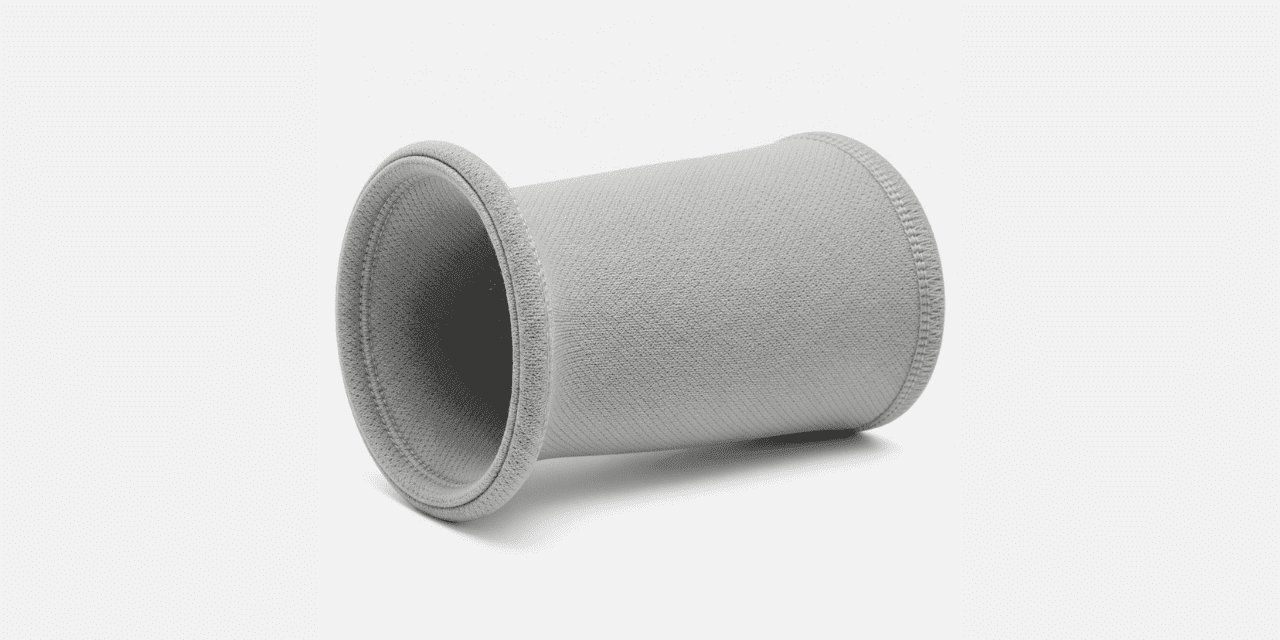
According to Research Intelo, the global Antibacterial Textile Liner for Prosthesis Market, valued at $312 million in 2024, is expected to surpass $685 million by 2033, expanding at a CAGR of 9.1% between 2024 and 2033. This growth is primarily driven by the rising number of amputations caused by diabetes, trauma, and vascular diseases, which is increasing the demand for advanced prosthetic solutions that ensure hygiene and comfort. With growing awareness about infection risks in prosthesis users, healthcare providers are emphasizing antibacterial liners that reduce infection rates while improving comfort and quality of life. The adoption of smart textiles, nanotechnology, and antimicrobial treatments is expected to further accelerate market growth globally. The demand for prosthetic devices has been steadily rising due to technological progress, higher amputation rates, and increasing patient focus on improved living standards. Antibacterial textile liners, designed to enhance hygiene and protect skin health, are emerging as essential components in prosthetic care. Key Market Drivers include:
- Rising prevalence of amputations linked to diabetes complications, vascular diseases, and injuries.
- Greater awareness of infection risks, with antibacterial liners providing skin protection against moisture, heat, and friction.
- Advancements in textile engineering, including antimicrobial fabrics, nanomaterials, and breathable designs, which enhance performance and durability. Technological Innovations fueling growth:
- Nanotechnology integration (silver and zinc oxide nanoparticles) for improved antimicrobial properties.
- Moisture-wicking fabrics to reduce bacterial growth.
- Odor control technologies for freshness.
- Custom-fit designs using 3D knitting and scanning for enhanced comfort and reduced friction. Challenges to market growth:
- High production costs that limit adoption in certain regions.
- Durability issues with long-term use and frequent washing.
- Strict regulatory approvals for medical textiles that may delay launches.
Future Outlook:
The market is set for robust growth, with increased emphasis on patient safety, comfort, and long-term prosthetic performance. The adoption of smart fabrics with sensors to monitor skin health and sustainable antimicrobial treatments are expected to shape the industry’s future. With continuous innovations, antibacterial liners are likely to become standard in prosthetic care globally. Leading Players shaping the market:
WillowWood Global LLC, Össur hf., ALPS South LLC, Blatchford Group, Ottobock SE & Co. KGaA, Streifeneder USA, Comfort Products Inc., Fillauer LLC, Ortho Europe, Silipos Holding LLC, Medi GmbH & Co. KG, Aspen Medical Products, and Proteor Group.