
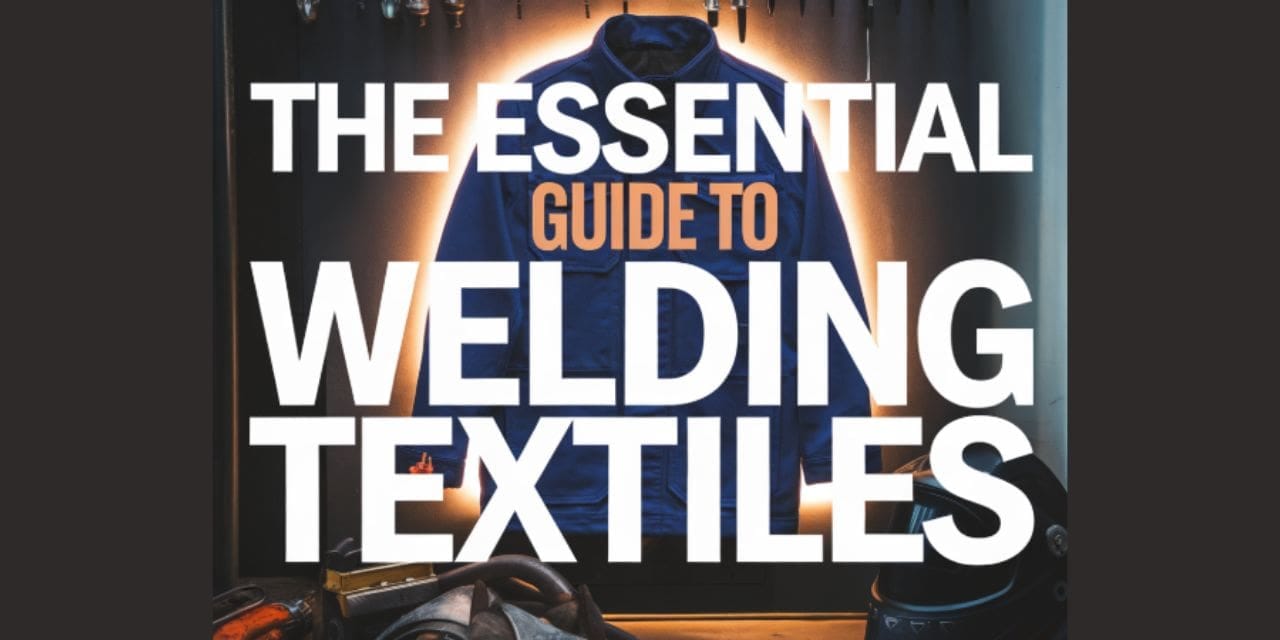
A welding jacket represents the crucial barrier between a welder and potentially life-threatening hazards in their daily work environment. Understanding the science and engineering behind these specialized garments reveals why they’re essential for workplace safety and optimal performance in welding operations. More than just protective clothing, a welding jacket combines advanced materials science with practical safety features to create a comprehensive defense system against multiple hazards.
The foundation of welding jacket protection begins with carefully selected base materials. Manufacturers utilize both inherently flame-resistant (FR) fabrics and chemically treated materials to achieve optimal protection. Each material type offers unique advantages: Cotton FR treatments involve impregnating natural cotton fibers with phosphorous-based compounds at a molecular level. This chemical bonding creates a permanent flame-resistant barrier that remains effective even after repeated washing. The treatment alters the cotton’s burning behavior, causing it to char rather than ignite when exposed to flame. Aramid fibers, including Kevlar and Nomex, provide inherent flame resistance through their molecular structure. These synthetic fibers feature strong molecular bonds that require extremely high temperatures to break, making them naturally resistant to heat and flame. Their unique polymer construction also provides excellent tensile strength, enhancing the garment’s durability. Split cowhide leather remains a premier choice for heavy-duty welding protection. The natural structure of leather, with its dense collagen fiber network, provides excellent heat resistance and protection against sparks and spatter. Modern tanning processes enhance these natural properties while improving the leather’s flexibility and durability.
Contemporary welding jackets incorporate several critical design elements that enhance their protective capabilities. High collars protect the neck area from radiation and sparks, while reinforced stitching using FR thread prevents seam failure under stress. Quick-release closures allow for rapid removal in emergency situations, and adjustable cuffs prevent spark entry while maintaining necessary mobility. Extended length designs provide coverage during various working positions, and strategically placed breathable panels help maintain comfort during long welding sessions without compromising protection.
Maintaining a welding jacket’s protective properties requires regular inspection and proper care. Users must check for holes, tears, worn areas, and compromised seams while following manufacturer-specific cleaning guidelines. Industry standards such as ASTM F1506, NFPA 2112, and ISO 11611 establish minimum requirements for flame resistance, heat transfer protection, and durability. These certifications ensure that welding jackets meet essential safety requirements and perform reliably under actual working conditions. Understanding these standards helps professionals select appropriate protective gear for their specific welding applications and maintain it properly for optimal safety and longevity.