
Shataranji of Rangpur: Heritage Weaving Towards Sustainable Business, Ethical Fashion, and Global Prosperity
By
Share Professor Nusrat Jahan Nipa, Creative Design Department, Zhejiang Modern Agriculture College & Founder – Heritage Research and Professional Institute (HRPI) Introduction Shataranji weaving from Rangpur, Bangladesh, is one of the country’s most unique heritage crafts, recognized for its colorful patterns, cultural symbolism, and economic value. Once limited to household use, Shataranji today represents a pathway to sustainable development, women’s empowerment, and global ethical trade. Its potential lies not only in preserving tradition but also in transforming into a modern social business model aligned with international demand for sustainable home décor and fashion products. Historical & Cultural Background Shataranji is deeply rooted in the northern districts of Bangladesh, especially Rangpur. Traditionally, it has been woven by local artisans using discarded cloth strips and cotton yarns, creating a low-cost but durable floor mat. Over centuries, Shataranji became a symbol of rural creativity and resourcefulness, with its striped and checkered designs reflecting local aesthetics. UNESCO and local cultural institutions recognize Shataranji as an important part of Bangladesh’s intangible cultural heritage. Weaving Process & Materials Shataranji weaving is a labor-intensive, handloom-based process requiring artisanal skill. The key materials used are:
- Cotton yarns – locally grown and dyed for bold color patterns.
- Recycled textile strips – leftover garment fabrics are cut into strips, making the craft inherently eco-friendly.
- Jute fibers – providing strength and a natural aesthetic.
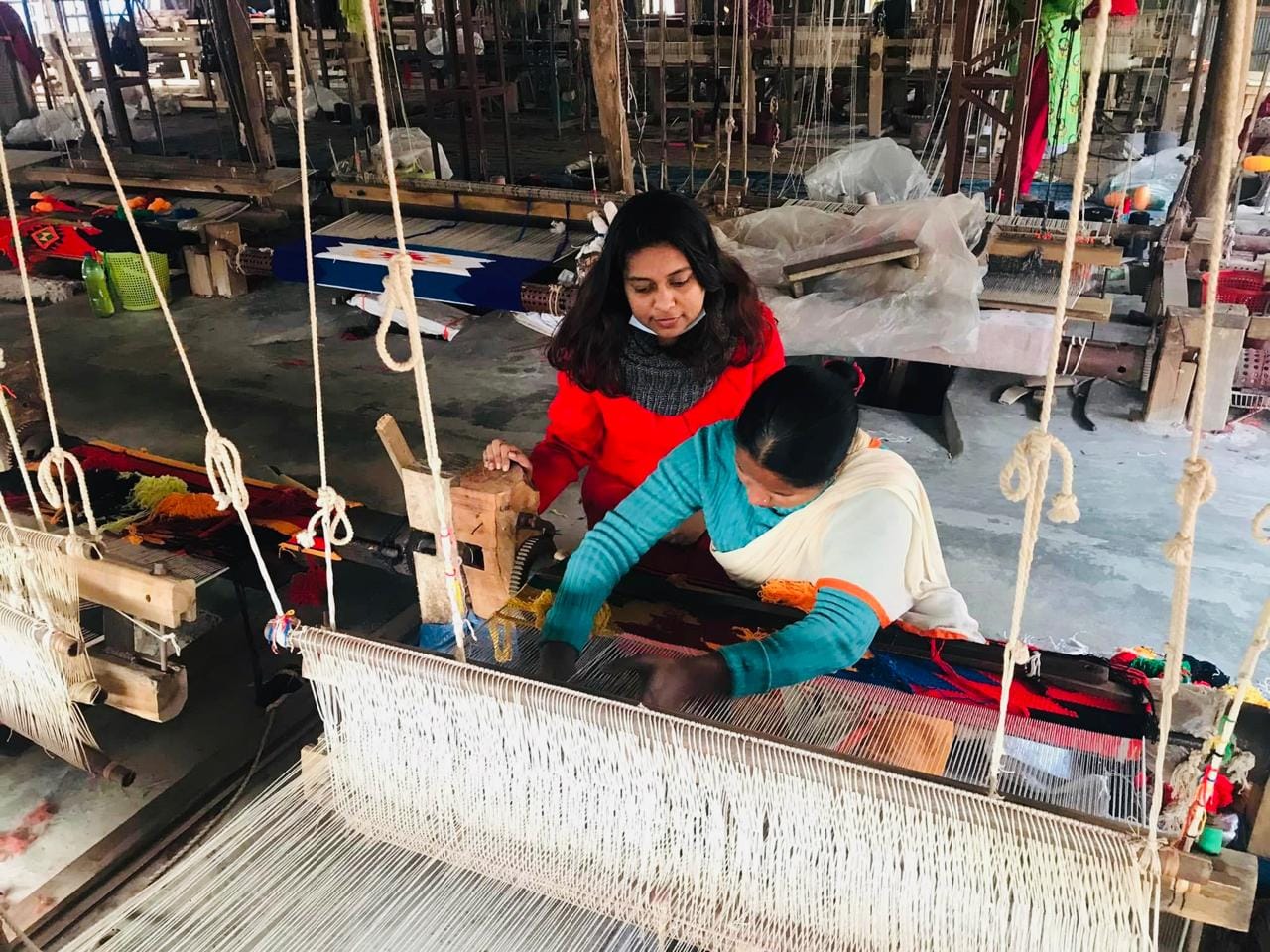
- Synthetic blended yarns – introduced in recent years to reduce cost and meet market demand. This upcycling tradition makes Shataranji a pioneer in circular economy practices, long before the concept became a global trend. Figure 02: Shataranji Weaving Process Types of Products Historically, Shataranji was mainly used for floor coverings, mats, and rugs. Today, with innovation and modern design input, Shataranji can be diversified into:
- #
Simillar News