
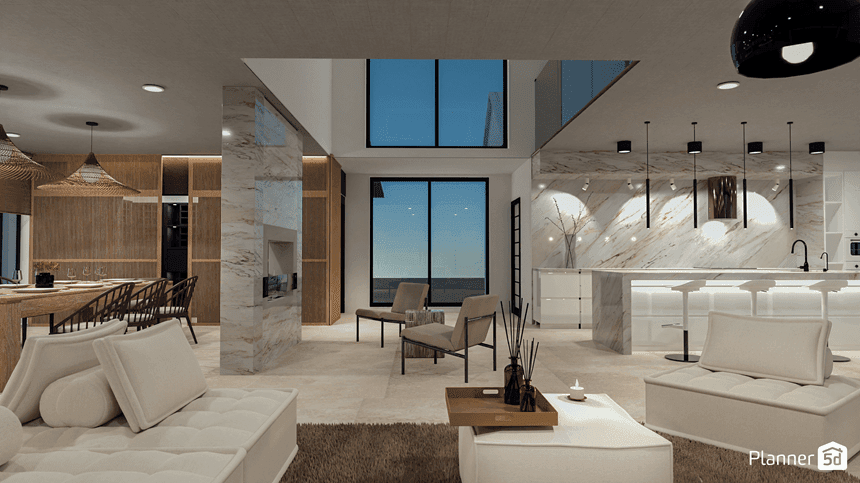
Vilnius — Kitchens, living rooms, bathrooms and bedrooms remain the most frequently designed spaces worldwide, according to a new analysis by AI-powered interior design platform Planner 5D. The study, based on design data from more than 200 million users, also highlights notable shifts in how people plan their homes and which spaces they prioritize. Furniture and décor preferences also showed clear global trends. Green plants are the most frequently added item worldwide, appearing in one-third of designs.
- Planner 5D rolls out 3D model import feature in latest update
- ‘Hey Siri, redesign my room:’ Planner 5D rolls out integration with Apple’s AI The rest of the top 10 includes shelves, books, posters, chairs, tables, sofas, decorative pillows, kitchen elements and refrigerators, a mix Planner 5D says reflects a balance of comfort and function. Offices now rank as the fifth most popular design choice, with a marked increase in standalone layouts in 2024 and 2025. Planner 5D notes that between 2020 and 2024, multipurpose or hybrid rooms — such as home offices incorporated into bedrooms or living areas — surged during pandemic lockdowns. Today, however, the data points to a shift toward intentionally designed, dedicated workspaces.
“It’s a strong signal that the ‘return-to-office’ trend is more than just talk; it’s a reality people are actively planning and designing for,” said Evelina Juzėnaitė, principal interior designer at Planner 5D. “Design always mirrors social life.” The report also found regional differences in secondary spaces. In the U.S., storage and wardrobe rooms rank seventh and eighth in popularity, compared with ninth and 14th in Europe and the United Kingdom. Garages, which are 10th in the U.S., fall to 18th in Europe. Planner 5D attributes the gap to architectural norms: walk-in closets and dedicated storage spaces are common in American homes, while Europeans more often use freestanding wardrobes in bedrooms. Children’s rooms appear in seventh place in Europe but only 12th in the U.S. The platform suggests European users are more likely to label a room specifically as a “child room,” while Americans tend to categorize them under the broader “bedroom” label. The creation of this story was assisted by an AI engine and supplemented, fact-checked and edited by editorial staff.