
India–UK Free Trade Agreement: A Competitive Shake-Up for Bangladesh
By
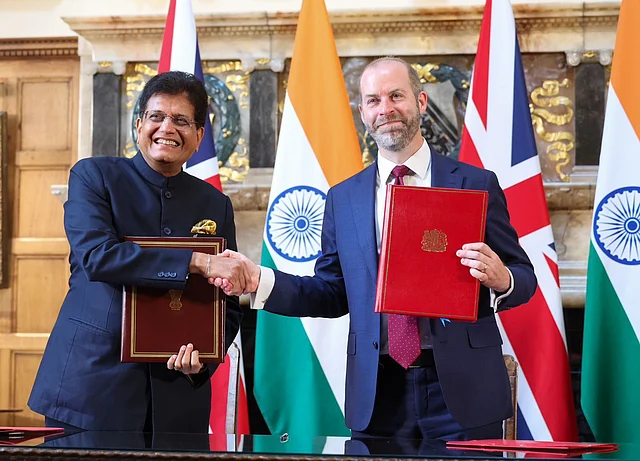
Share India and the United Kingdom have signed a landmark Free Trade Agreement (FTA), granting duty-free access to 99% of Indian exports—including textiles and garments. This development is poised to reshape the global apparel trade and presents serious challenges for Bangladesh in one of its most significant export markets. Bangladesh–UK Trade Snapshot
- Exports to the UK (FY 2023–24): $4.48 billion (10% of Bangladesh’s total exports)
- RMG Share: Approximately 90% of exports to the UK
- UK Rank: Bangladesh’s 3rd largest apparel market
- Market Share: Bangladesh supplies 23% of the UK’s apparel imports by value and 28% by volume, typically offering prices 21–32% lower than key competitors like India and China Currently, Bangladesh benefits from duty-free access to the UK under the Developing Countries Trading Scheme (DCTS), maintaining a strong competitive edge. However, this advantage is under threat. Post-LDC Graduation Risk Bangladesh is expected to graduate from the Least Developed Country (LDC) category in 2026. With that transition, the country may lose its eligibility for DCTS benefits—leading to a potential imposition of 8–12% tariffs on apparel exports to the UK unless a new trade agreement is secured. Meanwhile, India’s new FTA with the UK secures permanent duty-free access, handing Indian exporters a major price advantage over Bangladeshi counterparts. Key Concerns for Bangladesh
- Price Pressure: Indian exporters will gain the ability to offer 8–12% lower prices due to tariff exemptions.
- Market Share Risk: UK buyers may divert orders to Indian suppliers to cut costs, threatening Bangladesh’s share in the $27 billion UK apparel market.
- Margin Erosion: To stay competitive, Bangladeshi exporters may be forced to reduce prices, affecting overall profitability. Strategic Response Needed To mitigate these emerging threats, Bangladesh must take proactive measures:
- Accelerate FTA Negotiations with the UK to secure duty-free access post-LDC graduation.
- Focus on Value Addition by innovating and diversifying product offerings, reducing dependency on cost-based competition.
- Explore New Markets in Latin America, Africa, and ASEAN regions to diversify export destinations. A Wake-Up Call for Bangladesh The India–UK FTA is a significant turning point in global trade dynamics. If Bangladesh is to safeguard its $4.48 billion apparel export market to the UK, swift and strategic action is critical. #
Simillar News