
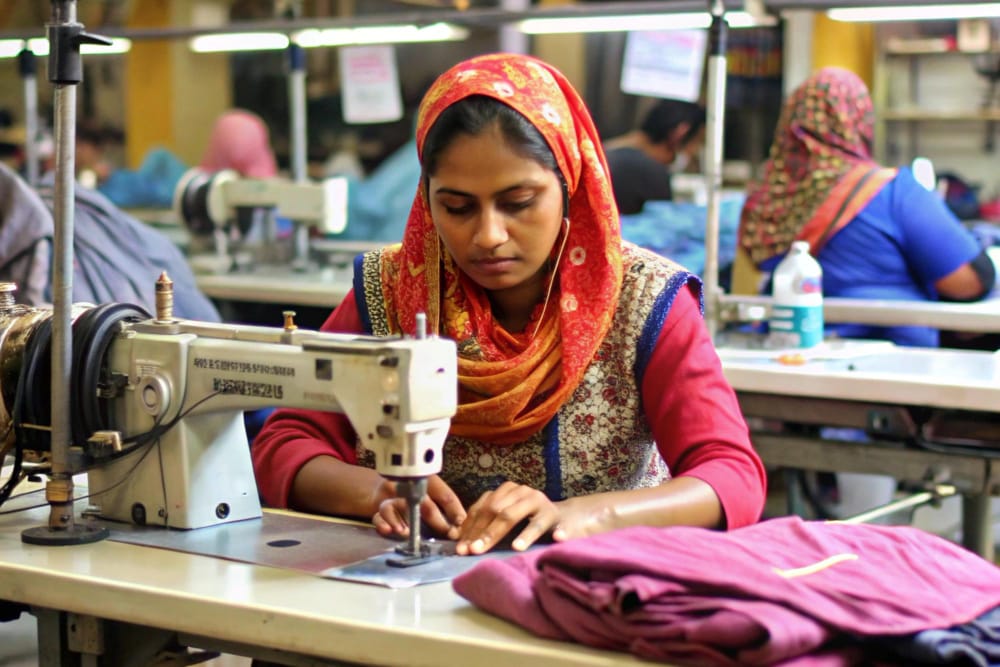
Conspiracy Against Bangladesh’s Garment Industry: A Wake-Up Call
By
Share Bangladesh’s ready-made garment (RMG) industry is the backbone of the national economy—contributing the lion’s share of export earnings, creating millions of jobs, and ensuring a steady inflow of foreign currency. Yet, this vital sector continues to face both internal challenges and external conspiracies aimed at undermining its progress. For decades, regional competitors such as India and China have viewed Bangladesh’s RMG success with unease. Whenever Bangladesh achieves new milestones—whether through tariff benefits in the U.S., growing market demand in Europe, or success in producing high-value garments—efforts emerge to disrupt this progress. A Fragile Moment of Hope Despite the global recession, U.S. tariff tensions, and domestic political unrest, Bangladesh’s garment industry recently witnessed new opportunities. Positive signs included tariff advantages in key markets, rising demand for high-value products, and optimistic forecasts for large Summer 2026 orders. But this very promise has made rivals restless. Allegedly, India and China, together with their local collaborators, are attempting to divide the sector from within—pitting BGMEA, BKMEA, and BGBA against one another. Already, the industry is witnessing letters of accusation, negative media coverage, and hostile social media campaigns. Such conflicts are not only unnecessary but dangerous, because these three organizations are not competitors, they are complementary partners. • BGBA (Buying Houses) brings in around 30–35% of total export orders. • BGMEA and BKMEA factories execute those orders and keep production running. Any division among them would severely weaken the entire supply chain. The Stakes for Bangladesh If foreign buyers divert orders elsewhere due to internal disunity, Bangladesh risks: • A decline in export earnings, • Job losses for millions of workers, • Further economic instability. The question then arises: who will take responsibility? Many factories are already struggling with debt defaults and delayed wage payments. If leaders prioritize egos and organizational battles over collective progress, it will be ordinary workers and the nation’s economy that suffer the most. Why Buying Houses Matter Bangladesh’s growth in high-value garments is closely tied to buying houses. They: • Develop new product designs, • Create marketing samples for buyers (work many factories avoid), • Generate additional foreign currency by charging service fees directly to buyers, • Contribute to the economy by paying 7.5% income tax, unlike factories that often enjoy subsidies. Yet, they operate under restrictive policies, for example, the USD 6,000 annual export limit for samples is far below market needs. Buying houses have requested raising this cap to USD 20,000, which would only increase foreign currency inflows. Why, then, should BGMEA and BKMEA oppose such a move—unless under outside influence? A Dangerous Game Dividing the RMG sector is not just an internal dispute—it is a strategic threat to Bangladesh’s economy. If this continues unchecked, it will: • Damage export growth, • Undermine employment stability, • Erode the global reputation of “Made in Bangladesh.” The Way Forward This is the time for unity, not division. The organizations must engage in dialogue, stop the blame games, and present a united front. The Government of Bangladesh also has a critical role to play. It must: • Step in as a mediator, • Sit with all stakeholders, • Formulate practical solutions that ensure fair policies for factories and buying houses alike. The collapse of the garment industry would not just affect one group—it would impact the entire economy and 170 million people. Save our industry. Save our nation. Save the future of millions of workers. Share #
Simillar News