
 Commercial roofing in Adelaide presents unique challenges and opportunities compared to residential projects. Large-scale projects require careful planning, specialized materials, and experienced contractors capable of managing both complexity and size. Unlike small residential roofs, commercial properties often involve flat or low-slope systems, expansive surface areas, and strict compliance with building codes. These factors demand detailed coordination between project managers, engineers, and roofing specialists. The stakes are high: commercial roofs protect not only the building but also equipment, inventory, and business operations inside. Any delays or errors can result in significant financial losses. That’s why choosing the right roofing system and installation team is critical. In Adelaide, where weather conditions can shift quickly from scorching heat to heavy rains, durability and energy efficiency are key priorities. This article explores the distinct features of commercial roofing projects and what makes them different from smaller-scale jobs.

Planning and Preparation for Large Commercial Projects
Every successful commercial roofing project in Adelaide begins with a comprehensive planning stage. The larger the project, the more critical it becomes to map out every detail before construction starts. Planning involves evaluating the existing structure, determining load capacity, and identifying the most suitable roofing system. Contractors also need to consider building use, whether it’s a warehouse, office, or retail property, as different industries have different requirements. Safety protocols are particularly important in large-scale projects due to the number of workers and equipment involved. Time management is another key factor — delays can lead to lost revenue for businesses. Additionally, planning must include contingency strategies for unexpected weather conditions. Explore additional information on the site: https://medium.com/@Darren_Cormack/your-local-roofing-partner-fa3b2e63c048 . Key planning steps:
- Conducting a detailed site inspection.
- Assessing load-bearing capacity of the building.
- Choosing the right roofing system for the industry.
- Outlining strict safety measures for workers.
- Creating a realistic project timeline.
- Preparing contingency plans for weather disruptions.
A solid preparation phase minimizes risks and ensures smoother execution once construction begins. Without detailed planning, large commercial projects can quickly spiral into costly delays and operational issues. Discover related insights in this article: https://hackmd.io/@zI9pH0PDSHWmtNNKcGYbQw/H1unEu6Bel .

Material Selection for Commercial Roofs
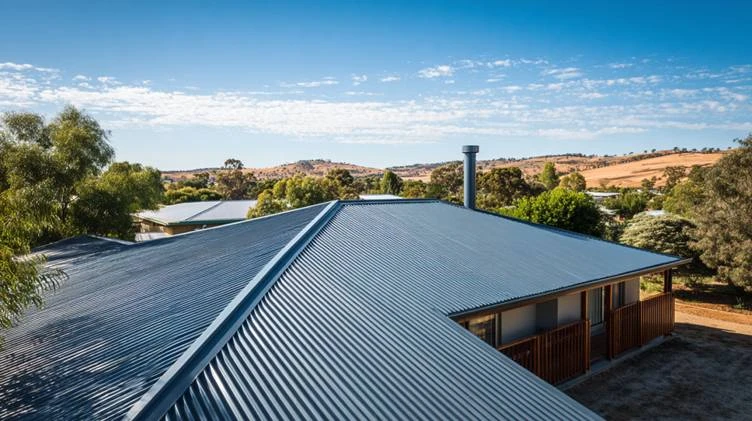
Choosing the right materials is critical for the success of any commercial roofing project. In Adelaide, materials must withstand extreme sun exposure, occasional storms, and temperature fluctuations. Common choices include metal roofing, thermoplastic polyolefin (TPO), polyvinyl chloride (PVC), and modified bitumen. Metal roofing, especially Colorbond steel, is popular for its strength and energy efficiency. TPO and PVC membranes offer excellent waterproofing for flat roofs, while modified bitumen provides flexibility and durability. Fire resistance, insulation, and energy performance are also important considerations. The wrong material choice can shorten roof lifespan and increase long-term costs. Table: Common Commercial Roofing Materials and Their Advantages | Material Type | Best Application | Key Advantages | |