
An Appeal to the Textile Supply Chain: Bridging the Gap Between Textile Institutes and Industry
By
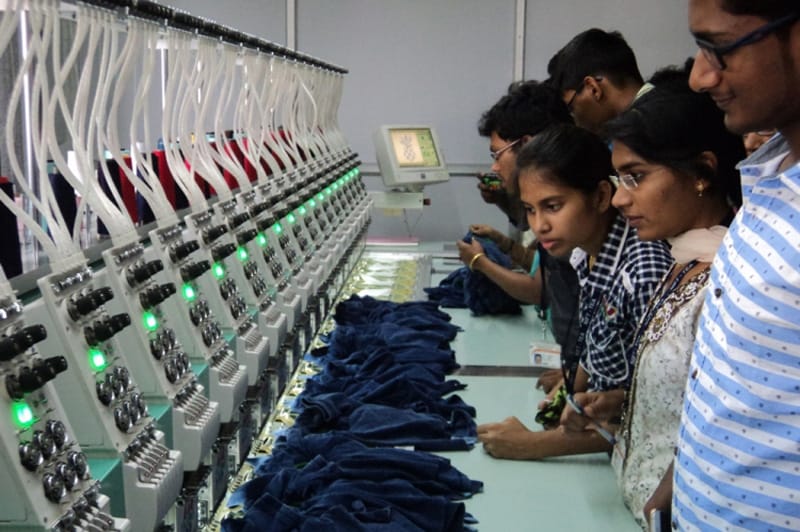
Share The future of Bangladesh’s thriving textile and garment industry largely depends on the preparedness and practical knowledge of the students currently studying in various textile institutes and universities. However, the existing gap between academia and industry remains a major concern. To secure the future of the industry and prepare students for real-world challenges, it is crucial that textile supply chain companies, including fabric suppliers, dyes and chemical manufacturers, and machinery companies, step forward to build a bridge between educational institutions and the industry. Why Should Textile Supply Chain Companies Organize Fairs in Textile Institutions? While many garment, textile chemical, and machinery suppliers in Bangladesh invest heavily in sponsoring large-scale textile fairs, it is equally important to organize smaller, localized fairs within textile technology institutes and universities across the country. The traditional education system in textile engineering often follows outdated syllabi that lack alignment with industry demands. Students mostly acquire theoretical knowledge, with little exposure to practical applications. In reality, most students graduate without ever stepping into a factory or gaining hands-on experience with modern machinery and processes. Similar to how medical colleges provide practical knowledge and internships to their students, our textile engineering institutions should offer students opportunities to engage directly with the industry. This hands-on exposure will help create skilled and competent professionals who are better suited to meet the evolving demands of the textile sector. Current Challenges Faced by Textile Students
The Role of Textile Supply Chain Companies To bridge this gap, textile suppliers and manufacturers can play a pivotal role in several ways:
Mutual Benefits for Companies and Students The initiative to bridge the gap between textile institutes and industry will not only benefit students but also the textile supply chain companies in numerous ways:
- Early Brand Recognition: Introducing products and services to students early on will create brand familiarity and loyalty, as they will become future decision-makers in the industry.
- Talent Development: Well-trained graduates entering the industry will ensure a competent workforce that is ready to adopt modern practices and technologies.
- Market Expansion: Companies that engage with students today will have a better chance of being preferred suppliers when these students take on leadership roles in the future.
- Strengthening Industry Relations: Establishing close ties with educational institutions can foster long-term collaborations for research, development, and innovation.
A Call to Action
As someone who has worked closely with textile students and educators for several years, I strongly urge all stakeholders in the textile supply chain to come forward and support this initiative. The future of our industry depends on the next generation of textile professionals, and it is our collective responsibility to equip them with the right skills and knowledge.
Let us work together to ensure that our textile engineering students receive the same opportunities as their counterparts in other sectors. Whether through campus fairs, training programs, or internships, every effort counts in building a stronger, more competitive textile industry in Bangladesh.
Thank you,
Md. Salauddin
Advisor, Textile and Garments Merchandiser Blog
Knowledge-Sharing Platform for Textile and Garments Share Previous article #
# Join Our Weekly Newsletter Simillar News